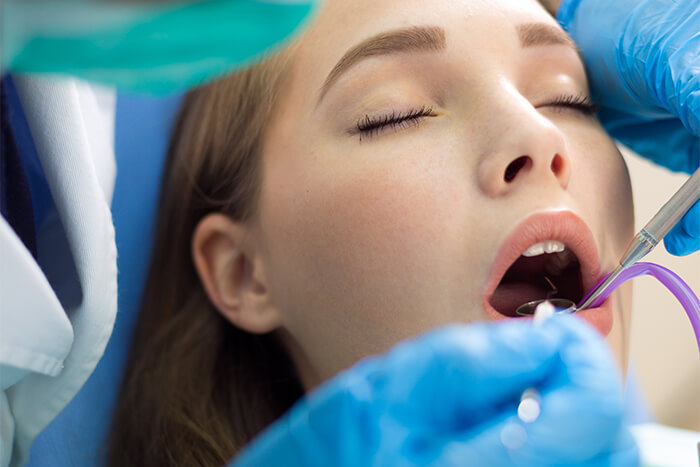
Think You Know What Dentistry Feels Like?
Think again.
Sedation dentistry has turned the dream of a discomfort-free dental experience into a reality – which means it’s time to shift your expectations and demand more than “just” dental care.
At Pleasant Hill Dental, we’re raising the bar for patient care, using the latest sedation techniques to deliver a relaxing dentistry experience that’s every bit as comfortable as it is effective.
Pleasant Hill’s Leading Sedation Dentistry Practice
Guided by the expertise of Dr. Cheng Zhu – one of only a handful of licensed IV conscious sedation general dentists in California – Pleasant Hill Dental provides a range of sedation options to accommodate your comfort preferences and health requirements.
Of course, lots of dental offices offer sedation dentistry – but they don’t have Dr. Zhu. He’s spent years honing the art of sedation dentistry to deliver an experience that’s perfectly relaxed and never leaves you feeling groggy.
Choose From Multiple Sedation Options
Your comfort. Your choice.

Inhalation Sedation

IV Conscious Sedation

Oral Sedation
Sedation Dentistry: What To Expect
Before you choose your sedation type, it’s important to know that IV conscious sedation and oral sedation need to be requested in advance.
Inhalation sedation, though, can be included with scheduled appointments or on short notice. This flexibility makes it our most popular option, and it only adds 10-15 minutes to your total appointment duration. We’ve outlined the process below – it’s quick and easy!
Our Inhalation Sedation Process
Get comfortable and ready to receive your sedative.
Once you’re seated and ready to begin, you’ll be fitted with a soft nose piece that delivers your inhalation sedative.
Let the sedative take effect and put you at ease.
A warmly relaxing and tingling sensation will set in after a few minutes, particularly in your fingers and toes.
Proceed with your scheduled dental treatment
At this point, you’ll be sedated, and your scheduled treatment will begin. If needed, a localized anesthetic will be applied after sedation.
Clear your system of any remaining sedative
After your treatment has finished, you’ll spend 5-10 minutes breathing 100% oxygen to remove any lasting effects from the sedative.
Finish your dental appointment
With a clear mind and a healthy smile, you’ll now be ready to tackle the next big challenge on your busy schedule.
Who Should Get Sedation Dentistry?
Sedation dentistry is an excellent choice for:
- Avoiding discomfort during longer procedures like root canals
- Helping children who feel anxious in the dental environment
- Calming your nerves if you’re returning to the dentist after a long absence
- Achieving a calmer, more relaxed dental experience
In essence, it’s ideal for anyone who wants to feel less anxious and more relaxed during their dental appointments.
Answers to Your Sedation Dentistry Questions
Yes, absolutely – although the dosages differ, sedation dentistry is as safe for children as it is for adults.
Sedation dentistry doesn’t put you to sleep; it only helps you feel more relaxed and calm, so you’ll still be fully responsive during your procedure.
On rare occasions people may face challenges with sedation dentistry. For example, nasal congestion can make inhalation sedation more difficult to administer, and in rare cases allergic reactions can occur as well.
Overall though, sedation dentistry is great for most people.
Upgrade your comfort and stop dreading your dental appointments
Sedation dentistry isn’t just a different way of experiencing dentistry – it’s a better way. One that’s free from stress, free from anxiety, and free from everything that makes you feel apprehensive about setting foot in a dental office.
With multiple sedatives to choose from and one of the state’s top sedation dentists, sedation dentistry at Pleasant Hill Dental is precisely the comfortable experience you’ve been looking for.
Don’t push your oral health aside for another day.
If you’ve been putting off your next dental appointment because of how you’re expecting it to feel, request inhalation sedation! Call us today at (925) 693-7077 to schedule or… Contact US